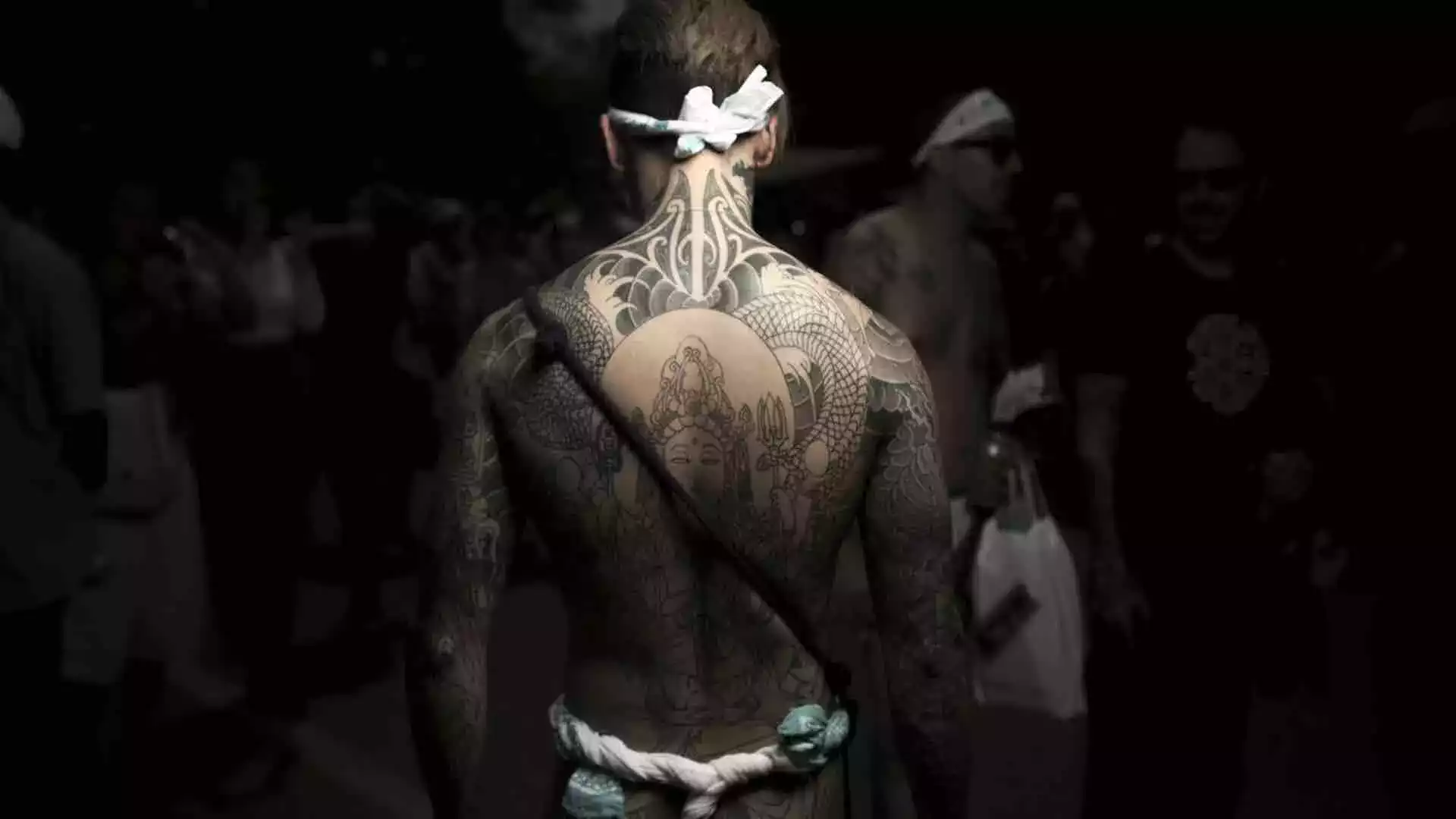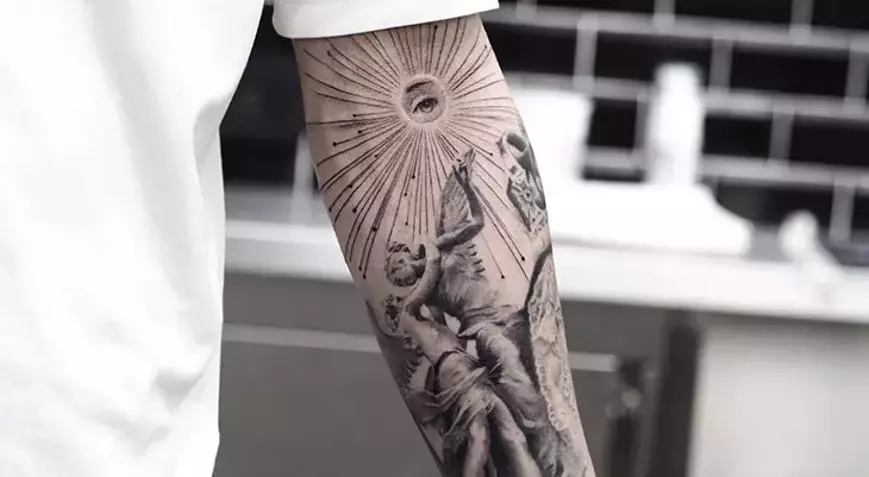


Tattoo myths and facts can strongly influence how people feel about getting tattooed. Tattoos have been part of cultures around the world for centuries, but misunderstandings about pain, healing, safety, fading and age requirements remain common. In this guide, London Tattoo House in Wandsworth separates some of the most familiar tattoo myths from the facts.
1. Myth: Getting a Tattoo Is Unbearably Painful
Fact: Tattoo pain varies from person to person and depends on factors such as placement, session length and individual sensitivity. Areas with less padding or more nerve endings may feel more intense, while other placements can be easier to tolerate. Your tattoo artist can explain what to expect and help you prepare for the appointment.
2. Myth: Tattoos Are Always Dangerous
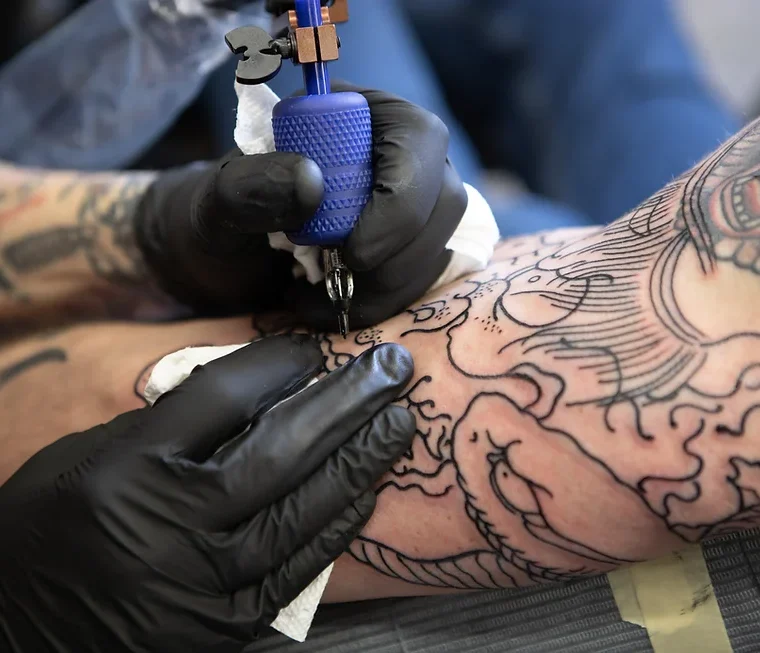
Fact: Tattooing breaks the skin, so there is always some risk of infection, allergic reaction or scarring. Choosing a reputable, appropriately licensed studio that follows strict hygiene procedures helps reduce these risks. Sterile single-use needles, clean work areas and clear aftercare advice are essential. If you have a medical condition, take medication that affects your immune system or have concerns about your skin, speak with a qualified healthcare professional before booking.
3. Myth: Tattooed Skin Never Heals Properly
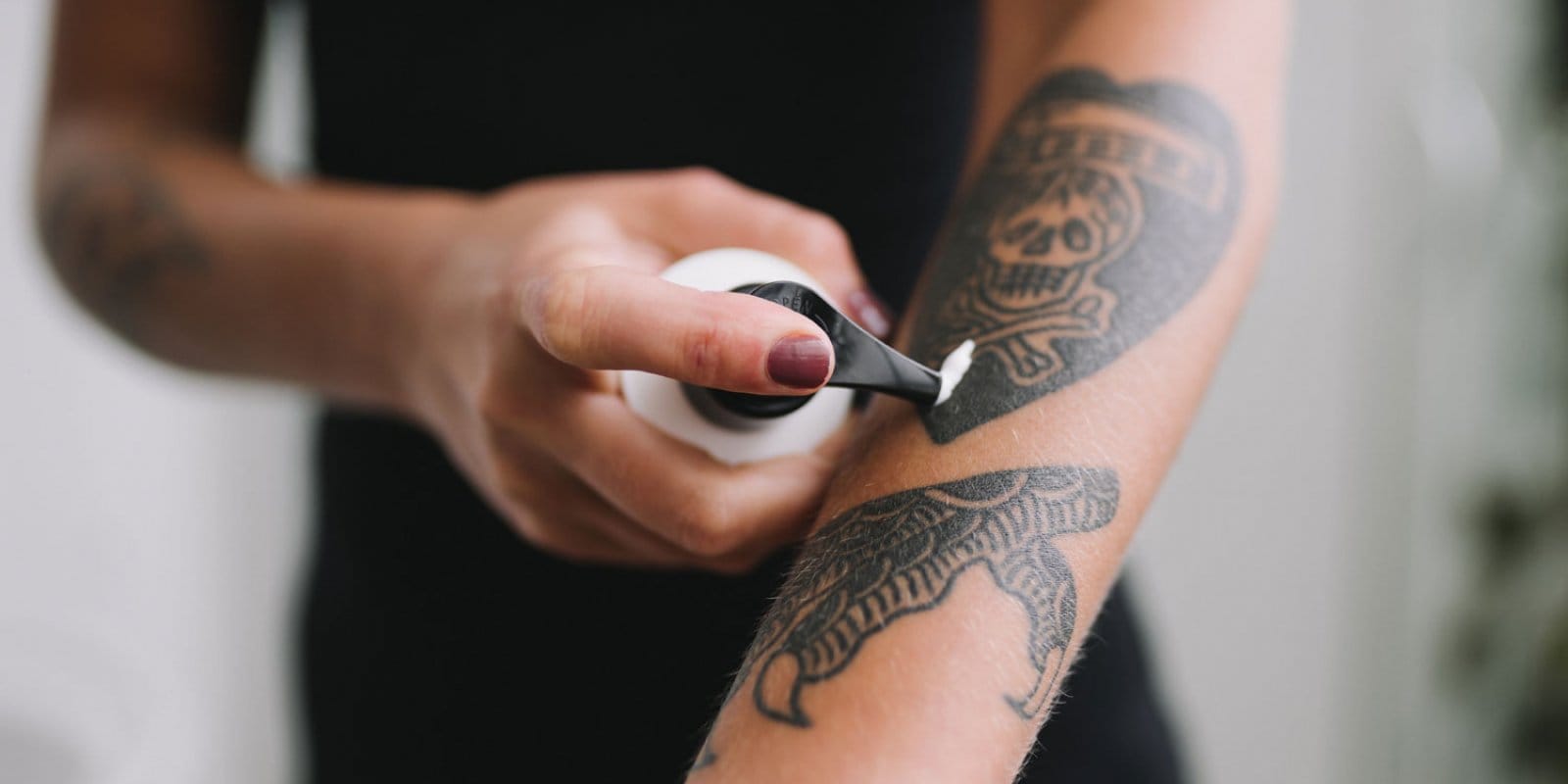
Fact: A fresh tattoo is a healing skin wound and normally passes through stages such as tenderness, light redness, flaking and settling. Healing time differs between people and placements. Following the aftercare instructions provided by your artist is important. Seek medical advice if redness, swelling, heat, pain or discharge becomes worse, or if you feel unwell.
4. Myth: Tattoos Damage Your Social or Professional Image
Fact: Attitudes towards tattoos have changed significantly. Tattoos are now widely recognised as a form of art, identity and personal expression. Workplace policies and individual opinions can still vary, so visible placement may be worth considering when planning your design.
5. Myth: Tattoo Colours Stay Exactly the Same Forever
Fact: All tattoos can change gradually as skin ages. Sun exposure, placement, skin type, ink, technique and aftercare can affect how a tattoo settles and fades. Protecting healed tattoos from strong sunlight and caring for your skin can help preserve clarity, although occasional touch-ups may still be appropriate.
6. Myth: Tattoos Are Only for Young People
Fact: Adults choose tattoos at many stages of life, often to mark a memory, milestone or personal story. In England, Wales and Scotland, you must be at least 18 to receive a tattoo, except in limited medical circumstances. A professional studio should ask for valid identification when age is uncertain.
7. Myth: Tattoos Stop the Skin or Body from Working Normally
Fact: A professionally applied tattoo does not normally prevent healed skin from carrying out its usual functions. However, tattooing is still an invasive procedure and individual reactions are possible. Tell your artist about relevant allergies, skin conditions or health concerns, and seek medical advice if you experience an unusual or severe reaction.
Making an Informed Choice
A tattoo is a personal and lasting decision. Research the studio, review the artist’s portfolio, discuss your design and placement, and make sure you understand the process and aftercare before your appointment. At London Tattoo House in Wandsworth, we take time to answer questions and help each client approach their tattoo with realistic expectations.
Thinking about your next tattoo? Contact London Tattoo House to discuss your idea or book a consultation.