

Tattoo culture around the world reflects far more than changing fashion. Across different communities, permanent and temporary body art has been used to express identity, belonging, memory, spirituality, status and personal experience. These traditions are not interchangeable: each has its own history, visual language and cultural context.
For anyone planning a tattoo, learning about these backgrounds can make the design process more thoughtful. This guide introduces several influential tattoo and body-art traditions while explaining why cultural respect matters when turning inspiration into a personal tattoo.
Tattoos as a Cultural Language
Long before modern tattoo studios, people used marks on the body to communicate connections to family, community, place and belief. The tools, pigments, placement and meaning of those marks differed widely. Some practices were ceremonial and governed by community knowledge, while others developed through travel, trade, military life or artistic movements.
Today, London brings many of these influences together. That creative exchange can be exciting, but a meaningful tattoo should still be approached with research and respect rather than treating every traditional motif as decoration.
Polynesian Tatau and Pacific Traditions
Tattooing has deep roots across the Pacific, although customs vary between islands and communities. In Sāmoa, for example, customary tatau includes the pe‘a and malu. These are living cultural practices connected with identity, service, responsibility and community; they are not simply visual styles to copy.
Many Pacific tattoo traditions use repeated lines, geometric forms and carefully organised areas of negative space. Their meaning can depend on the wearer, family and community. If you are inspired by Pacific tattooing, work with an artist who understands the difference between respectful influence and reproducing culturally specific markings without the right context.
Māori Tā Moko
Tā moko is a Māori art form from Aotearoa New Zealand. It can express identity, role and whakapapa—the relationships and genealogy that connect a person to their people. Individual placement and composition are important, and tā moko should not be reduced to a generic “tribal” pattern.
Contemporary tā moko is a living and evolving practice led by Māori artists and communities. People outside Māori culture who admire its visual strength should learn about its significance and avoid presenting sacred or identity-based markings as their own. A respectful conversation with a knowledgeable artist is essential.
Japanese Tattooing and Irezumi
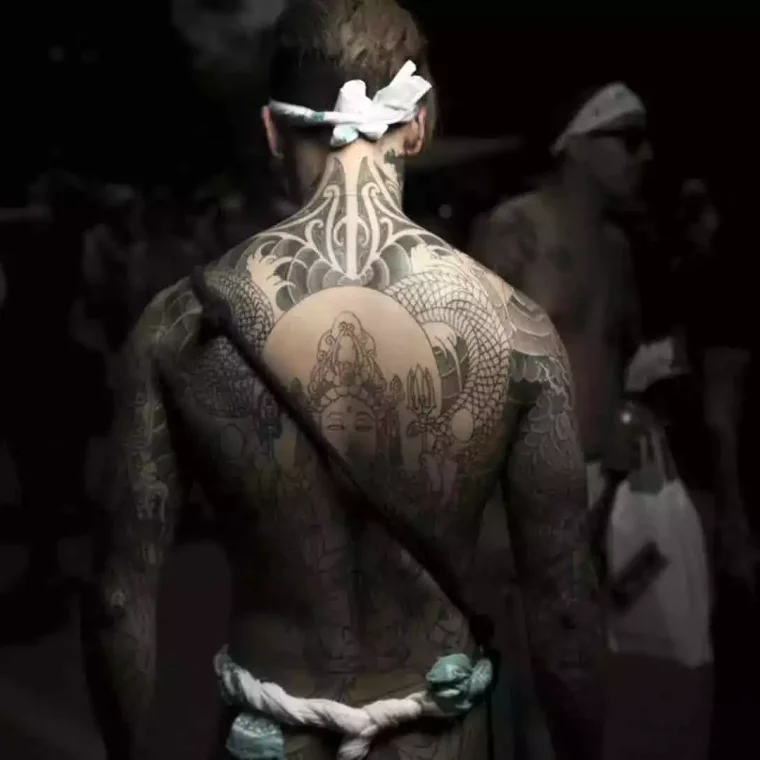
Traditional Japanese tattooing is recognised for large, flowing compositions that work with the shape of the body. Dragons, koi, peonies, chrysanthemums, waves and mythological figures are among the subjects associated with this visual tradition, but their interpretation depends on the wider composition and story.
Japanese tattoo history is complex and has included periods of restriction and social stigma as well as exceptional artistic development. Modern artists around the world continue to study its bold outlines, movement, background elements and disciplined approach to full-body composition.
Mehndi and Temporary Body Art
Mehndi, created with henna paste, is not a permanent tattoo. It is a temporary form of body art practised across South Asia, the Middle East, North Africa and their diasporas, with customs differing between regions and families. It is often associated with weddings, celebrations and significant occasions.
Intricate floral, geometric and symbolic patterns have influenced contemporary tattoo design, but their cultural setting should still be recognised. It is also important to distinguish traditional henna from so-called “black henna”, which may contain substances that can cause serious skin reactions.
Western Traditional and Old-School Tattooing
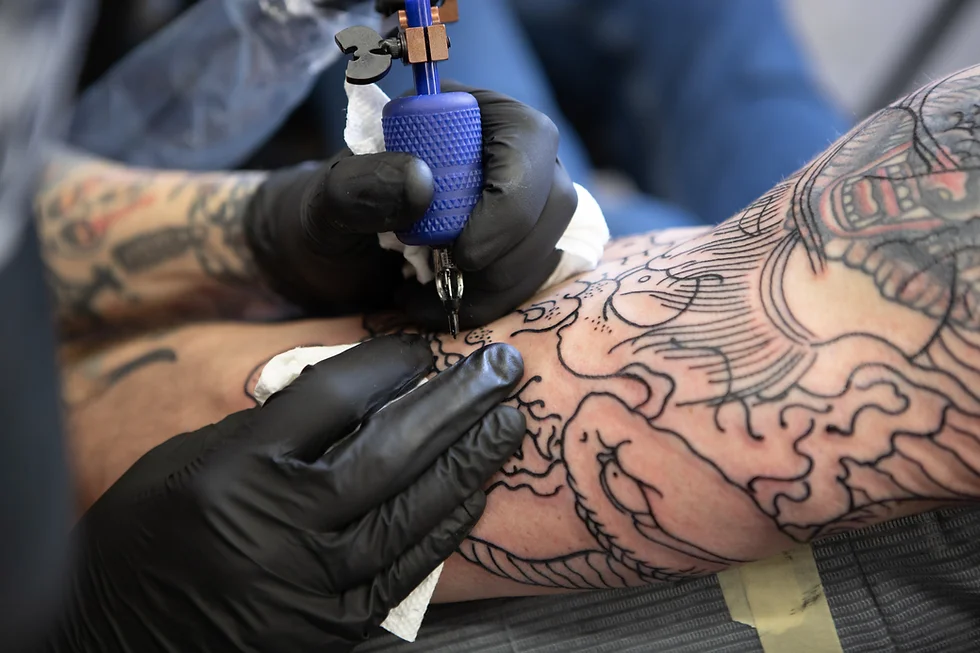
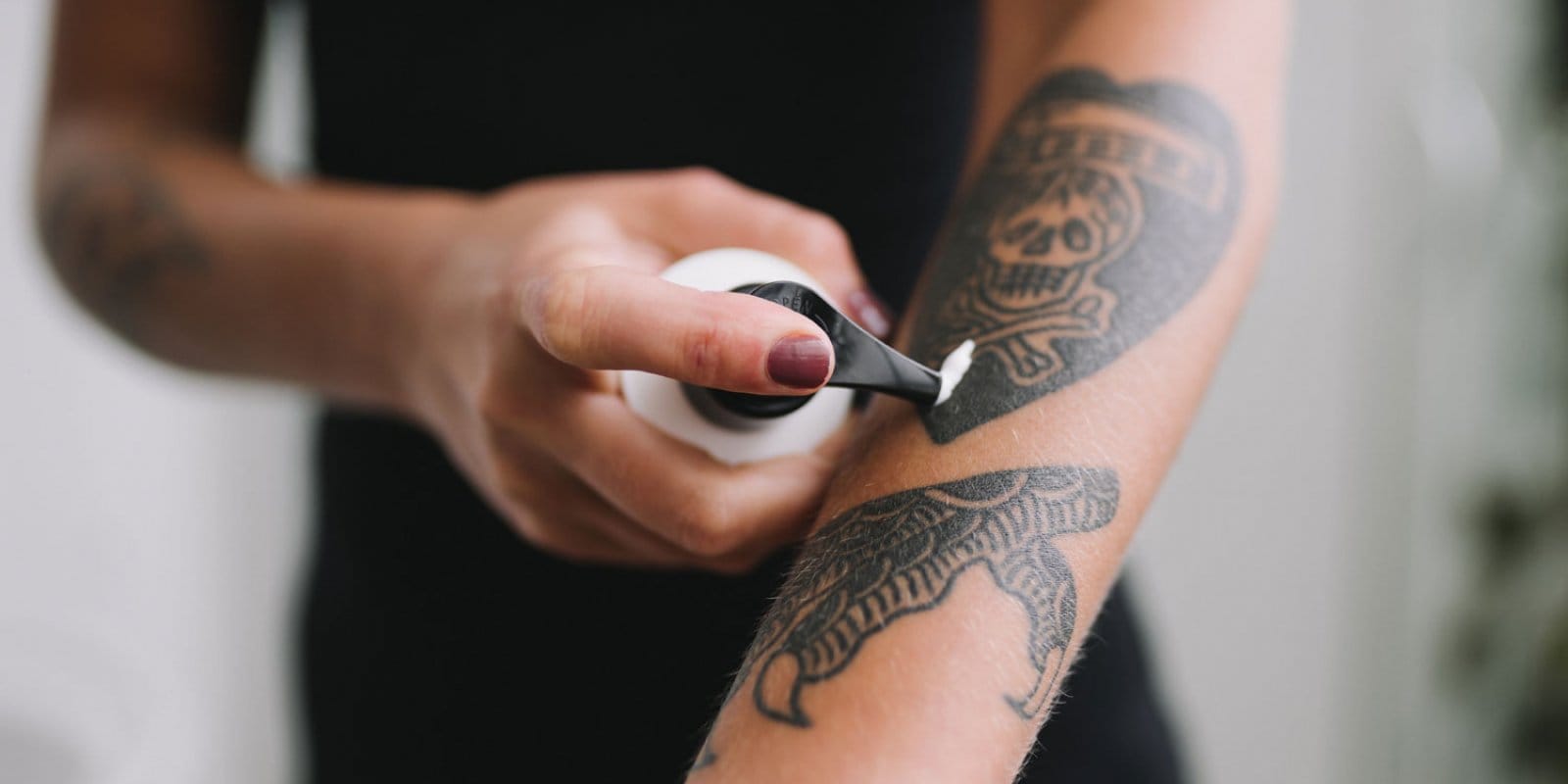
Western traditional tattooing developed through port cities, travel and military and maritime communities. Its visual language commonly features strong black outlines, clear shapes and a limited, high-contrast colour palette. Roses, swallows, ships, anchors, hearts and eagles became enduring subjects because they remained readable on the skin.
These foundations continue to influence modern tattooing. Neo-traditional artists often retain bold structure while expanding the colour range, detail and subject matter.
Body Marking Beyond Tattooing
Not every form of permanent body marking is tattooing. Scarification, for example, creates intentional patterns through the healing of the skin and has been practised by particular communities in different parts of the world. It should not be described as one universal “African tradition”: methods and meanings vary considerably between cultures.
Recognising these distinctions helps avoid oversimplification and gives appropriate credit to the communities that developed and maintain the practices.
Modern Tattoo Culture in London
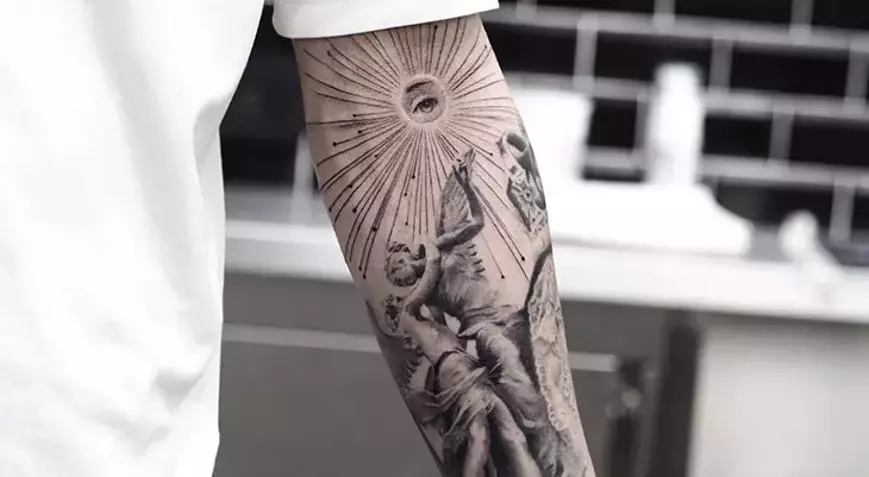
Contemporary London tattooing is shaped by artists and clients from many backgrounds. Fine-line, realism, blackwork, Japanese-inspired, geometric, illustrative and colour work can all be found within the city. Social media has made styles travel quickly, but the strongest tattoos still come from a clear idea, skilled execution and a design adapted to the individual body.
At London Tattoo House in Wandsworth, we encourage clients to bring references and explain what attracts them to each image. The goal is not to reproduce somebody else’s tattoo, but to understand the idea and develop an original design that suits the wearer.
How to Choose a Culturally Respectful Tattoo
- Research the origin and meaning of the imagery.
- Ask whether a symbol represents a specific identity, rank, ceremony or sacred belief.
- Avoid copying a living person’s tattoo or a culturally protected design.
- Choose an artist with relevant knowledge and experience.
- Be open to adapting the concept into an original, personal composition.
A Personal Design with the Right Context
Exploring tattoo culture around the world can reveal extraordinary histories and artistic approaches. The most thoughtful outcome comes from combining curiosity with respect: learn where the inspiration comes from, understand what should not be copied, and work with your artist to create something personal.
Have an idea you would like to discuss? Contact London Tattoo House to arrange a consultation at our Wandsworth studio.