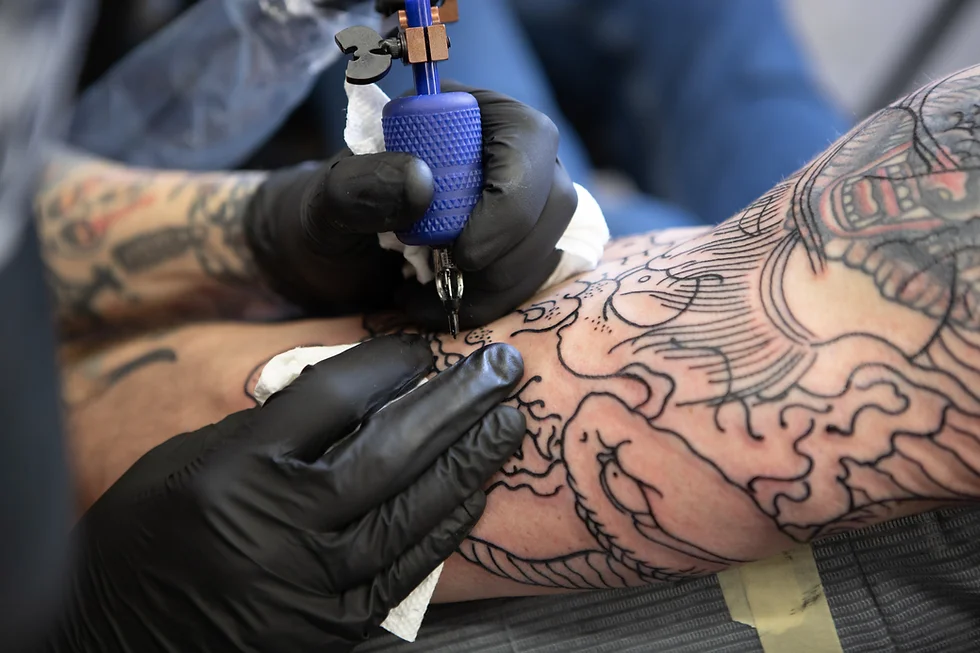


First tattoo tips for choosing a design and artist, preparing for your appointment and understanding aftercare at London Tattoo House in Wandsworth.
This guide explains what to consider before your appointment, what to expect on the day and how to prepare for healing. It provides general information and does not replace individual medical advice or the specific instructions given by your tattoo artist.
1. Be Certain About the Design
Start with an idea that feels personal to you, but do not worry if it is not yet a finished piece of artwork. A professional tattoo artist can help translate a reference, memory or theme into a design that works on the body.
- Save a small collection of useful references rather than asking for an exact copy of another artist’s tattoo.
- Think about the style, size, placement and level of detail you prefer.
- Consider how the design may look from different angles and how it will move with the body.
- Ask whether small lettering or very fine details are likely to remain readable over time.
- Give yourself time to reconsider before confirming anything permanent.
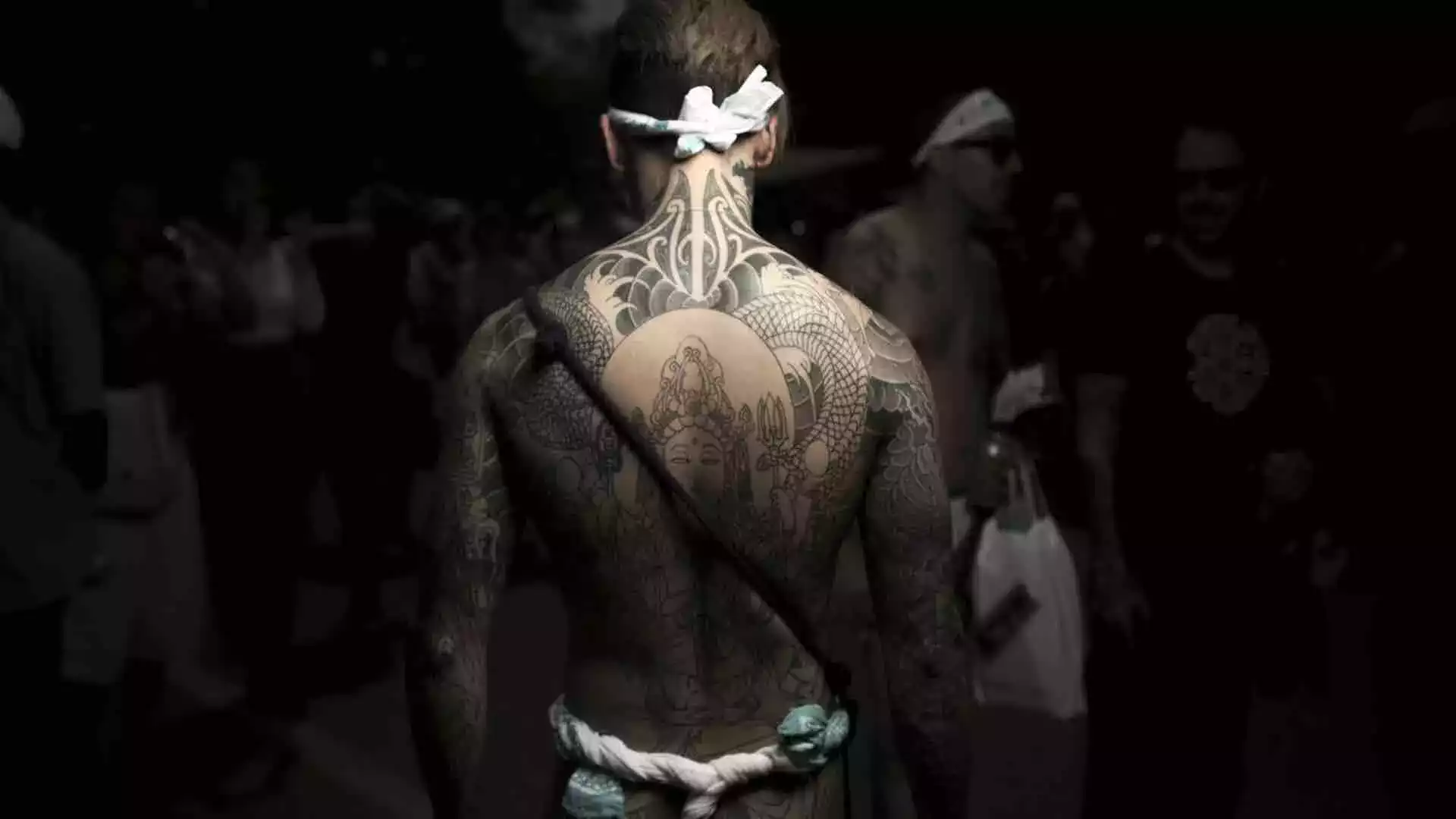
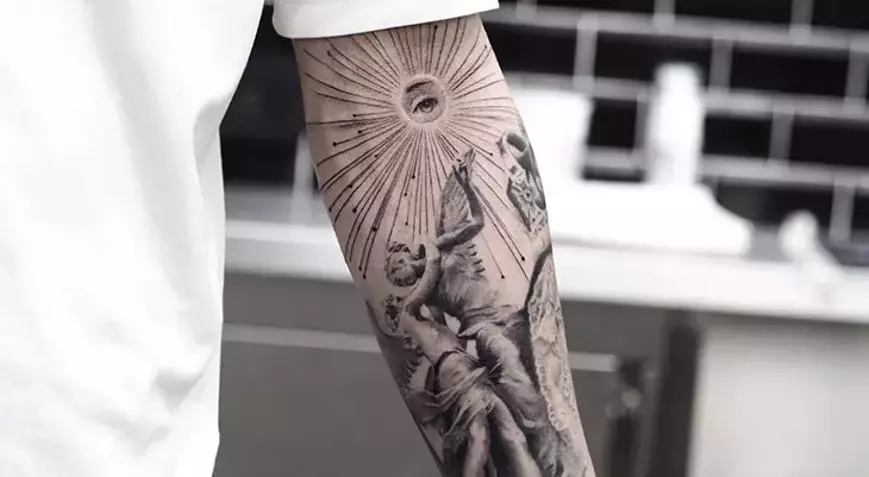
If you are still comparing approaches, our guide to tattoo styles and meanings explains fine-line, realism, blackwork, Japanese and other popular styles.
2. Choose an Artist Whose Work Fits Your Idea
A talented artist may specialise in a particular visual language. Look through healed work as well as fresh photographs, and choose someone whose portfolio consistently matches the style you want. A detailed realism piece, fine-line design and bold traditional tattoo require different strengths.
Reviews and recommendations can help, but a consultation is equally important. Use it to discuss your references, expectations, placement, budget and any practical concerns. A good consultation should feel collaborative and should give you space to ask questions.
3. Check the Studio’s Safety Standards
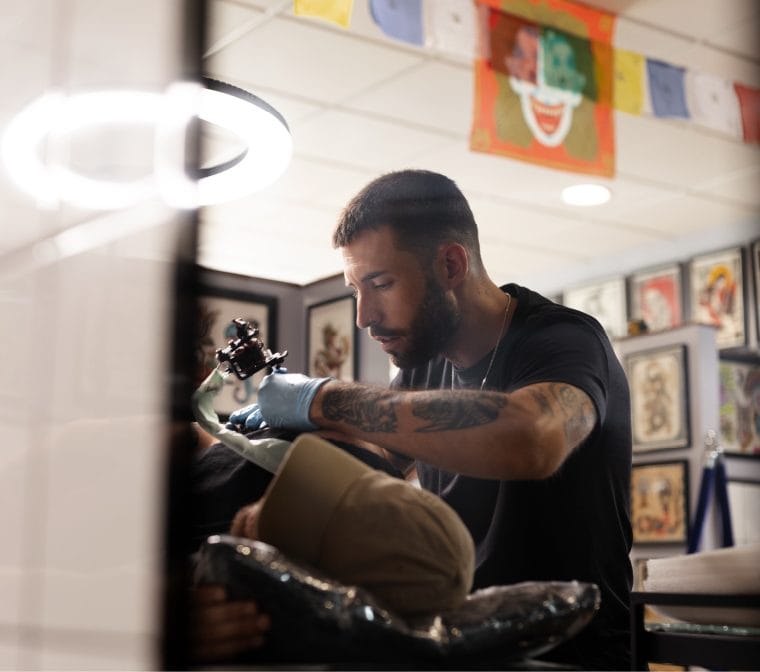
Tattooing breaks the skin, so hygiene and infection prevention matter. In Greater London, tattoo premises require the relevant local authority special treatments licence. Choose an appropriately licensed studio with a clean work area and clear procedures for single-use needles, gloves, ink cups and safe disposal.
You should feel comfortable asking how equipment is prepared and how cross-contamination is prevented. If the environment appears unclean or you feel pressured to continue, you can leave and reconsider your appointment.
4. Know the UK Age Requirement
In Great Britain, it is an offence to tattoo anyone under 18 except when the procedure is carried out for medical reasons under the direction of a qualified medical practitioner. Parental permission does not remove this restriction. Bring valid photographic identification if the studio asks you to prove your age.
5. Share Relevant Health Information
Tell your artist about allergies, skin sensitivities and any condition or treatment that may affect healing or infection risk. If you are pregnant, immunosuppressed, taking blood-thinning medication, living with a bleeding disorder or uncertain whether tattooing is suitable for you, speak to an appropriate healthcare professional before booking.
Do not stop prescribed medicine for a tattoo appointment unless the clinician who manages it has advised you to do so. Tattooing should not be carried out over broken, irritated, infected or sunburnt skin. Contact the studio in advance if the planned area changes before your appointment.
6. Prepare for the Appointment
- Sleep well. Arriving rested can make a long appointment easier.
- Eat beforehand. Have a normal meal and bring a suitable snack for a longer session.
- Stay hydrated. Drink water as you normally would before and during the day.
- Avoid alcohol and recreational drugs. Do not arrive intoxicated or impaired; the appointment may need to be postponed.
- Wear practical clothing. Choose clean, loose garments that give easy access to the placement and will not rub against the tattoo afterwards.
- Bring essentials. Take your ID, reference images, payment method and anything agreed with the studio.
Avoid applying heavy oils, self-tan or fragranced products to the area immediately before the session unless your artist has specifically requested something different. Do not shave the placement yourself unless instructed; the artist can prepare the skin safely at the appointment.
7. Understand Pain and Placement
Tattoo discomfort varies from person to person. Placement, session length, technique and your individual sensitivity can all affect the experience, so online pain charts are only rough guides. Areas with less padding or more nerve endings may feel more intense, but there is no universally painless placement.
Choose the location because it suits the design and your lifestyle, not only because somebody else describes it as easy. Your artist can explain how the shape of the body, movement, clothing and sun exposure may affect a particular placement.
8. Communicate During the Session
Your consent matters throughout the appointment. Check the final design, spelling, size and placement before tattooing begins. Ask for a mirror and view the stencil from more than one angle. Do not approve it until you are comfortable.
During the session, tell your artist if you feel unwell, need a break or have a concern. Try to remain still when the machine is working, but never feel that you must stay silent or tolerate a problem. Clear communication helps the artist work safely and helps you feel in control.
9. Plan the Cost Without Choosing on Price Alone
Tattoo prices vary according to the artist’s experience, design complexity, size, placement and the time required. Ask what the quote includes, whether a deposit is needed and what the cancellation or rescheduling policy is.
The cheapest or most expensive option is not automatically the right one. Base your decision on the artist’s relevant portfolio, hygiene standards, communication and whether the proposed design meets your expectations.
10. Make Time for Healing
Think about work, exercise, travel, swimming and sun exposure before choosing an appointment date. A new tattoo needs gentle care and should not be soaked or exposed to unnecessary friction while it heals.
Your artist will explain the dressing and cleaning routine for your tattoo. Read our full tattoo aftercare guide before your appointment so you can prepare suitable clothing and aftercare supplies in advance.
When to Seek Medical Advice
Mild initial tenderness, redness or swelling can occur, but symptoms should improve rather than become more severe. Contact your GP or NHS 111 if the area becomes increasingly hot, painful, red or swollen, if redness spreads, if there is unusual discharge, or if you develop a fever or feel generally unwell. A tattoo artist can answer routine aftercare questions but cannot diagnose or treat an infection.
Planning Your First Tattoo in Wandsworth
A first tattoo does not need to be rushed. Bring your ideas to a consultation, ask questions and take time to understand the design and process. London Tattoo House can help you explore the style, size and placement that suit your idea and explain what to expect before, during and after the appointment.
The best first tattoo decision is an informed one: choose a design you genuinely want, work with an artist whose portfolio fits the idea, prepare sensibly and follow the aftercare instructions carefully.
For further safety information, see the current guidance from University College London Hospitals NHS Foundation Trust and the UK Health Security Agency.